The Art And Science Behind Flawless Stainless Metal Fabrication
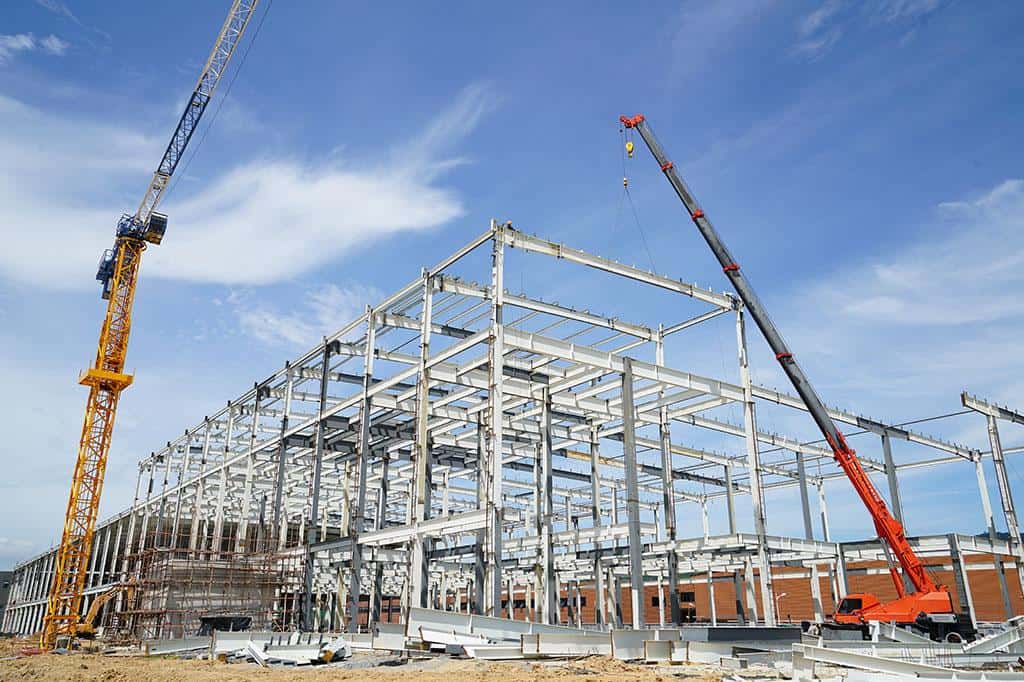
A flawless stainless steel finish is rarely the result of machinery alone. Behind every precisely formed panel, polished surface, or seamless joint is a combination of material knowledge, engineering calculations, skilled craftsmanship, and strict process control. Even small errors in cutting, welding, or finishing can affect the final appearance and performance.
The real skill lies in balancing technical precision with an eye for detail, making stainless metal fabrication both an engineering discipline and a craft.
Selecting the right stainless steel grade
Each stainless steel grade offers distinct properties that influence strength, corrosion resistance, and finish quality. Grade 304 suits many indoor fixtures, kitchen equipment, and decorative products. Grade 316 offers greater resistance to salt and harsh chemicals, making it suitable for coastal sites and demanding industrial settings.
Fabricators study the product’s location, exposure, load requirements, and intended use before selecting a grade.
Mastering precision measurements
Accurate measurements set the foundation of quality fabrication. Even a small error affects alignment, joints, and final dimensions, especially in custom architectural work. Fabricators assess technical drawings, confirm site measurements, and mark each component before cutting.
Laser measuring tools and digital design software help teams maintain consistency across complex projects. Precise measurements also reduce material waste and limit costly corrections during assembly.
Using advanced cutting and welding techniques
Cutting and welding require the right equipment and controlled execution. Laser cutting produces clean edges and detailed shapes, while plasma cutting suits thicker sections. TIG welding gives fabricators precise control and produces neat joints on visible stainless steel surfaces.
Operators manage heat input to limit distortion, discolouration, and damage to corrosion resistance. Proper joint preparation and suitable filler materials also support strong, attractive welds.
Achieving a flawless surface finish
Surface finishing gives stainless steel its distinctive appearance and protects its performance. Fabricators use grinding, polishing, brushing, and passivation to remove marks and restore the protective chromium oxide layer.
A mirror finish suits decorative interiors, while brushed finishes help conceal fingerprints and minor scratches. Final inspection checks scratches, uneven texture, sharp edges, and weld marks before dispatch.
Inspecting every finished component
Quality checks confirm that each component meets its design specifications. Fabricators examine dimensions, weld integrity, surface condition, and connection points before approving a product. Suitable tests also identify hidden defects that visual checks may miss.
Detailed inspection records give clients confidence in the finished work. Combining sound engineering with refined craftsmanship gives stainless steel products their strength, precision, and polished appeal.